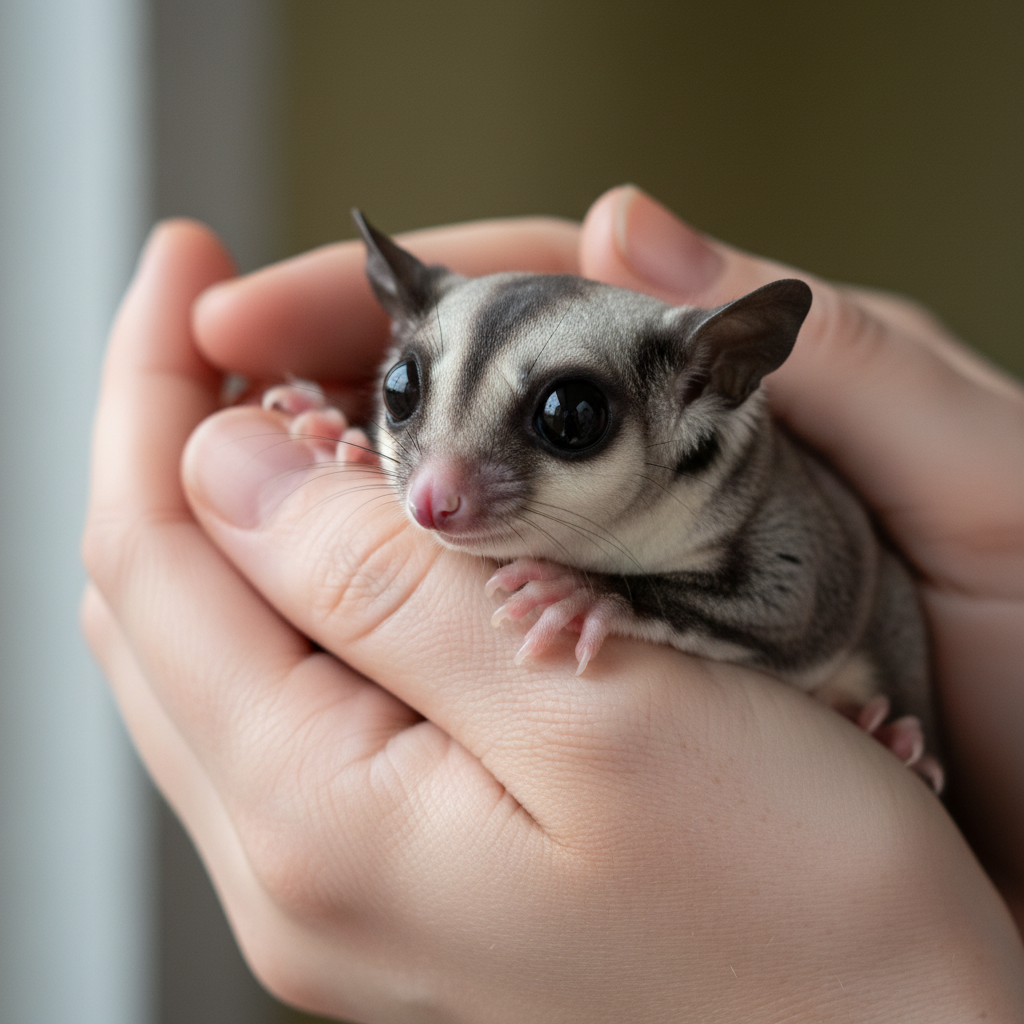
Sugar glider resting in warm cupped hands, eyes wide and calm, fur soft against skin
Sugar Glider Behavior Consulting

When your glider
stops crabbing
and licks your hand.

One-on-one behavior consultations for the moment you realize your glider isn't angry — he's asking for something. I help you learn the language.

4.9

147 reviews

"She taught me my glider wasn't angry.
He was scared."
— Priya S., rescue adopter, Portland OR
Sarah K.Miguel R.Priya S.Jordan L.Tomoko W.Amara D.Lena B.Carlos M.Nia F.Hana T.Rowan C.Ingrid P.
Crabbing & Fear ResponseColony IntroductionsRescue RehabilitationBite Response ProtocolsNocturnal BondingPouch AcceptanceGlider Body LanguageFirst-Time Owner SupportCrabbing & Fear ResponseColony IntroductionsRescue RehabilitationBite Response ProtocolsNocturnal BondingPouch AcceptanceGlider Body LanguageFirst-Time Owner Support
Origin Story

Every service I offer began as a mistake
I had to figure out myself.

I'm not a vet. I'm a behaviorist who has been bitten, crabbed at, lunged at, and eventually — trusted. Here's how each chapter of that journey became a service.

01
The First Bite

I thought I'd broken him.

My first glider, Mochi, drew blood on day three. I was doing everything the care sheet said. He was crabbing before I even opened the pouch. I spent that night on forums, convinced I'd adopted a feral animal with no path forward.

What I didn't know then: he wasn't aggressive. He was a prey animal in a strange-smelling space, reading my nervous energy, and doing the only thing evolution gave him — sounding the alarm. That bite was a sentence. I just didn't speak the language yet.
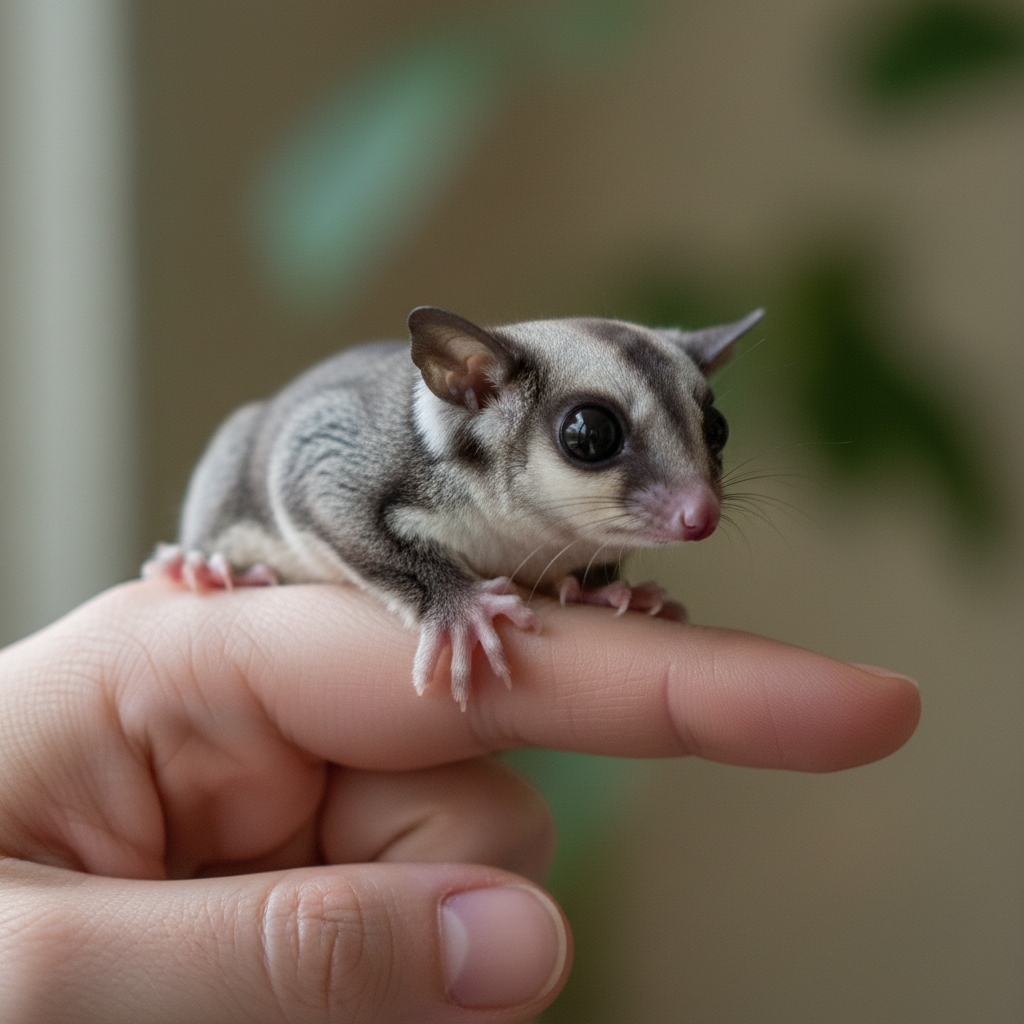
Close-up of a sugar glider perched on a person's finger, alert brown eyes, soft grey fur, tiny claws gripping gently
Bite Response Consultation

A bite isn't a verdict. It's a vocabulary lesson.

In a single 75-minute session, we decode what your glider is communicating — and rebuild the interaction from the ground up using body language your glider already understands.

  • Identify the specific trigger behind the bite
  • Hands-on repositioning techniques that reduce fear arousal
  • A written bite-response protocol tailored to your glider's history
  • Follow-up check-in at 2 weeks
Learn more about this session

Not sure if your situation is a bite response issue or something deeper? The session finder takes 2 minutes.

See Which Session Fits Your Glider

02
The Colony Introduction

They screamed for six hours.

Introducing my second glider, Soba, to Mochi felt like a diplomatic crisis. The crabbing, the lunging through cage bars, the refusal to share a sleeping pouch — I nearly gave up and surrendered Soba to the rescue.

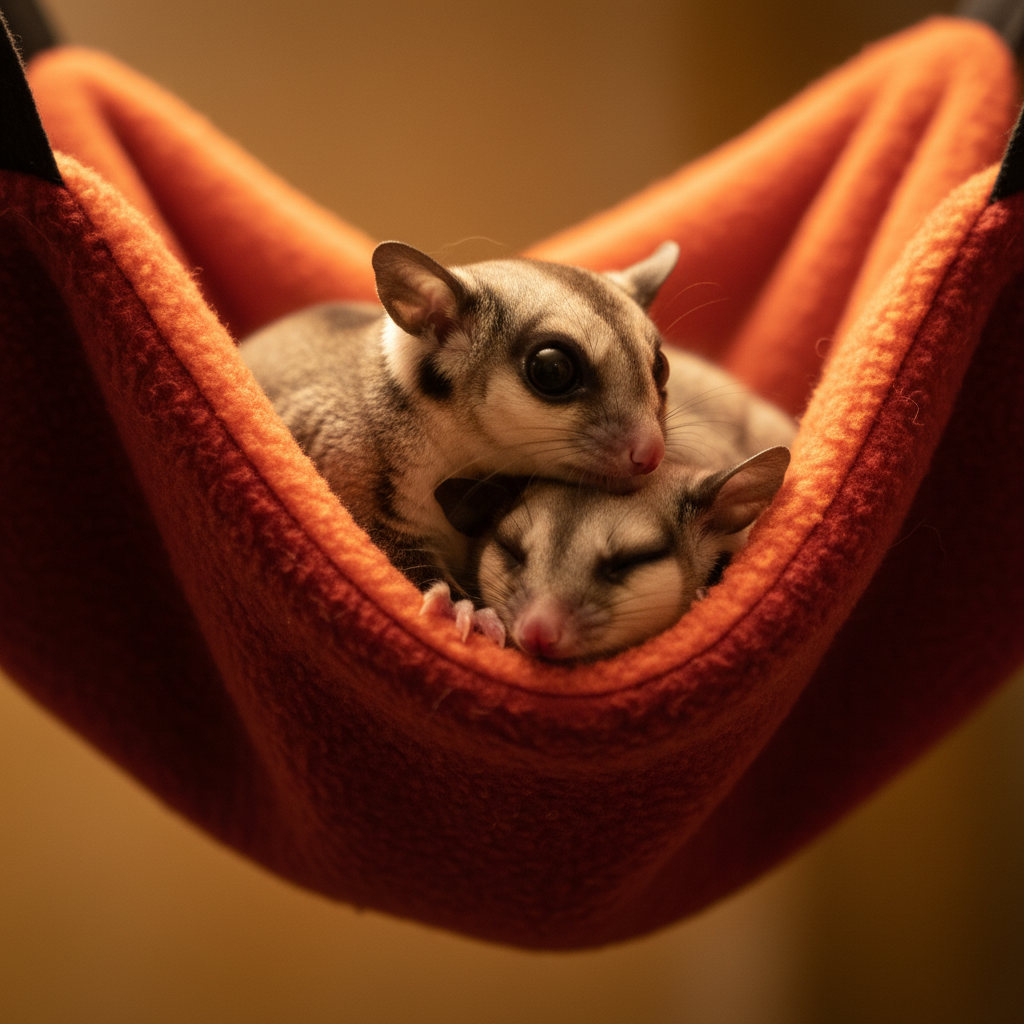
I spent three months reading every introduction protocol I could find, testing them, failing, adjusting. What emerged wasn't a formula — it was a framework. One that respects the pace of marsupial social cognition, not human impatience. Today those two sleep in the same pouch, tangled like old friends.

Two sugar gliders nestled together in a fleece sleeping pouch, one grooming the other, warm amber light
Colony Integration Program

Colony introductions take weeks, not days. Here's the map.

A structured 6-week program for keepers adding a new glider to an existing colony — or merging two established groups. Every step is paced to glider social biology, not convenience.

  • Pre-introduction scent exchange protocol (weeks 1–2)
  • Supervised visual contact sessions with behavior tracking
  • Neutral-space introduction staging and safety criteria
  • Weekly check-ins + adjustment calls throughout the program
Learn more about this session

03
The Rescue

She arrived in a shoebox. No history, all fear.

A rescue coordinator called me about a glider confiscated from a hoarding situation. No name, no records, no idea how old she was or what she'd experienced. She was a fist of crabbing fur that lunged at everything that moved.

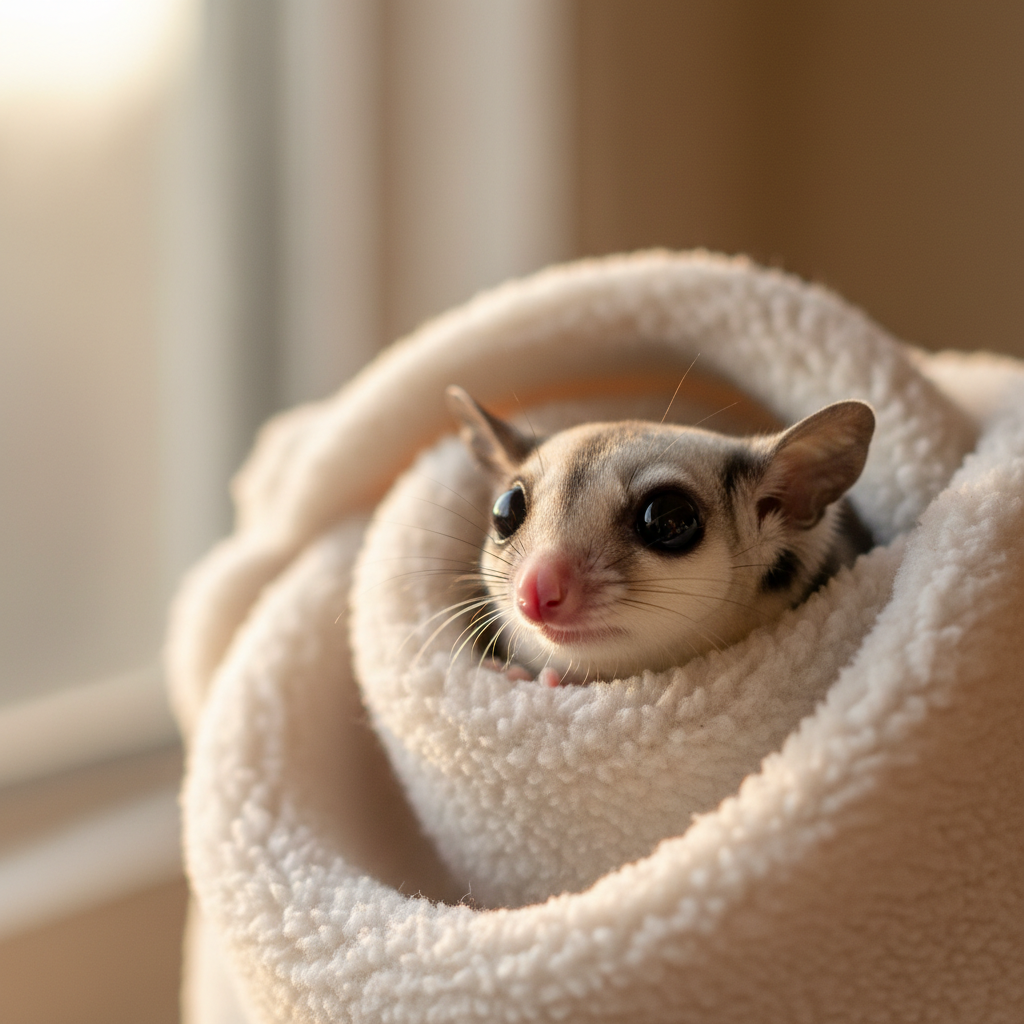
I named her Juni. It took eleven weeks before she took her first mealworm from my palm. Fourteen before she fell asleep in my shirt pocket. That experience became the foundation of every rescue rehabilitation plan I now build — because Juni taught me that trust doesn't have a shortcut, but it does have a sequence.

A sugar glider peeking from a cozy fleece pouch held in gentle hands, cautious but calm expression, soft natural light
Rescue Rehabilitation Program

No history? That's where we start.

Designed for rescue adopters handed a glider with unknown background and high fear response. We build a rehabilitation roadmap from behavioral observation, not guesswork.

  • Behavioral intake assessment (fear triggers, stress signals, baseline)
  • Custom 8-week desensitization and trust-building sequence
  • Bi-weekly progress calls with protocol adjustments
  • Lifetime access to session notes and updated care guidance
Learn more about this session
Glide
Ready when you are

Your glider isn't broken.
Neither is your relationship with them.

Whether you've had one bite or a hundred, whether your glider arrived yesterday or has lived with you for three years — there's a session designed for exactly where you are right now.

No forms on this page. Just a click to the right session.